
FAQ
Emergency Call - 24/7
- +86 134 7407 1375
Frequently Asked Questions
This FAQ covers key knowledge about fuse selection, application, protection coordination, derating, ambient temperature, and performance. It provides professional guidance for power electronics, energy storage, data centers, electric vehicles, and medium‑voltage systems. Designed to help users choose correct fuses, avoid misuse, improve system safety, reliability, and compliance with international standards.
01.
Conceptual Questions
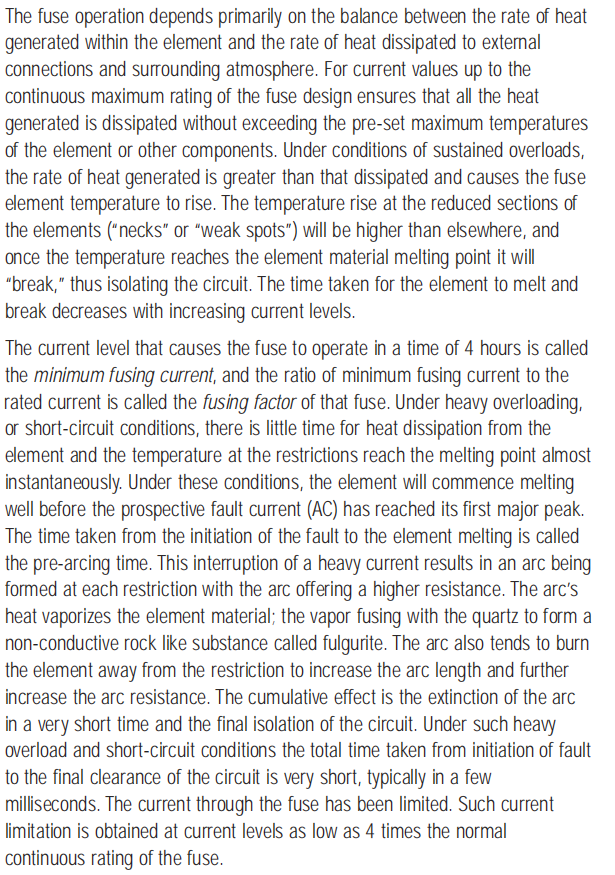
Proper fuse selection protects electrical systems and equipment from overcurrent and short-circuit damage. A wrongly chosen fuse may fail to clear faults quickly or blow unnecessarily, leading to downtime, safety risks, or component failure. It must match voltage, current, breaking capacity, and application standards to ensure reliable and safe operation.
Key parameters include rated voltage, rated current, breaking capacity, I²t value, response speed, size, and applicable standards (UL, IEC, GB). Voltage must meet or exceed system voltage; current should match load without nuisance tripping. Breaking capacity must be higher than prospective fault current to ensure safe interruption.
High-speed fuses feature ultra-fast response and low I²t, protecting semiconductors, inverters, and power electronics. General-purpose fuses provide basic overload and short-circuit protection for distribution circuits. High-speed types interrupt faults in milliseconds to minimize damage, while standard fuses focus on typical branch-circuit protection.
AC fuses interrupt current using natural zero-crossing, while DC fuses must extinguish stable arcs without zero points. DC fuses have stronger arc-extinguishing design and higher voltage ratings. Using AC fuses in DC circuits may cause arc flash, failure to interrupt, or fire. Always use type-matched fuses.
02.
Conceptual Questions
Fuse selection for data centers requires high reliability, low power loss, and compliance with UL and IEC standards. Choose fuses based on system voltage, UPS, PDU, server power supply, and battery distribution circuits. For DC power systems, use dedicated DC fuses with high breaking capacity. For AC distribution, select branch circuit and UL Class fuses for stable operation. Proper coordination with breakers ensures safety, minimizes downtime, and improves power supply efficiency.
For energy storage, choose DC-rated fuses with high breaking capacity and low I²t. Consider battery voltage, PCS rating, cable length, and installation environment. Fuses must comply with UL or IEC standards for lithium-ion battery systems to prevent thermal runaway and ensure safety in charge-discharge cycles.
EV fuses require high DC voltage ratings, compact size, and strong vibration resistance. Select based on battery voltage, motor drive current, and protection location (battery, PDU, motor controller). Use fast-acting types to protect sensitive power components and ensure safety in crash or short-circuit conditions.
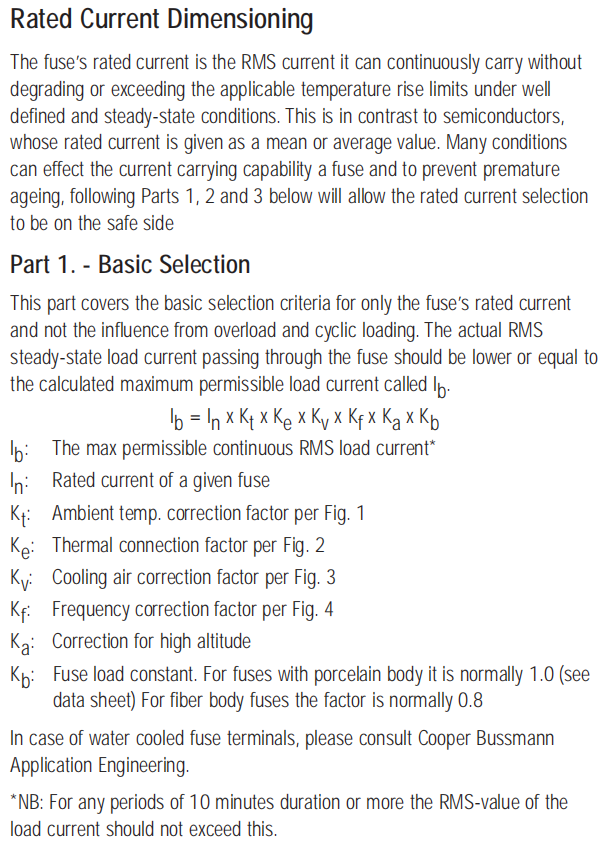
Proper derating is essential for stable and safe fuse operation. Generally, the actual operating current should be limited to 75%–80% of the fuse’s rated current to avoid nuisance tripping caused by inrush current, temperature rise, or load fluctuations. Derating also extends service life and improves reliability. Higher ambient temperatures require further derating. Full consideration of ambient conditions, load characteristics, and startup currents ensures accurate and reliable fuse selection.
03.
Key Principles Questions
Fuse selection involves coordination, protection logic, environmental conditions, and standards. Professional technicians analyze system parameters, fault levels, and coordination to avoid misapplication. Expert support ensures safety, compliance, and stability, reducing risks of damage, downtime, and non-compliance.
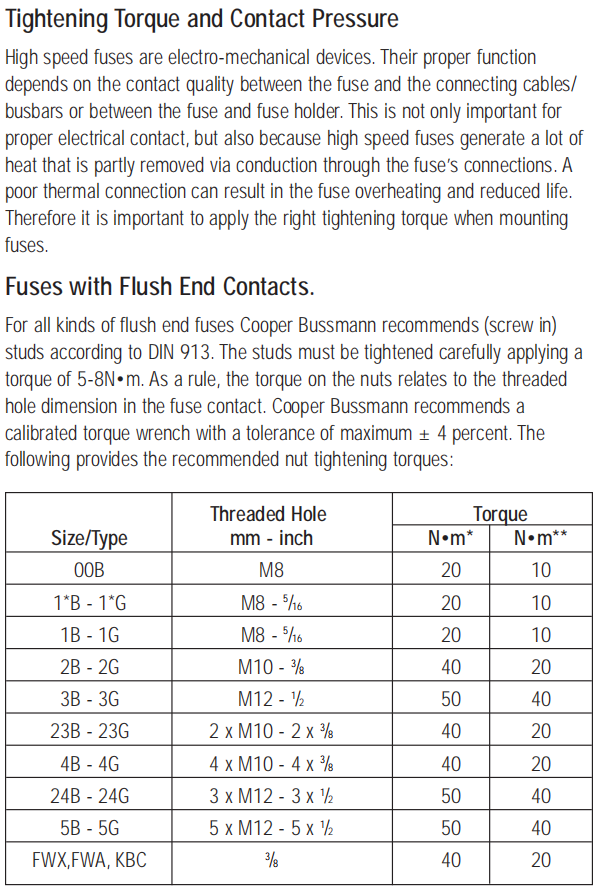
Install fuses according to manufacturer instructions, ensuring correct orientation and tight connection. Keep them away from moisture, high temperature, and vibration. Regularly inspect appearance, contact pressure, and indication status. Replace blown fuses with identical models; never use higher-rated or uncertified replacements.
Check markings, certificates, and test reports for UL, IEC, GB, CSA, or CE. Reliable manufacturers provide certified products with clear labels. Verify voltage, current, breaking capacity, and application scope against standard requirements. Professional support helps confirm compliance for global projects.
Quick Service- 24/7
Fuse selection must be supported by professional technicians. Please feel free to contact us via email or phone at any time.
- +86 134 7407 1375
- sales@imbussmannfuse.com